Permanent residency
Permanent residency in Japan: requirements, fee and the 2027 changes
Japan permanent residency requirements: usually 10 years of stay, clean tax and pension records, and a ¥200,000 fee from October 2026. Plus 2027 changes.
Visa & residencyPermanent residency
Permanent residency vs naturalization in Japan: PR keeps your nationality but can be canceled; citizenship adds the vote but means giving up your nationality.
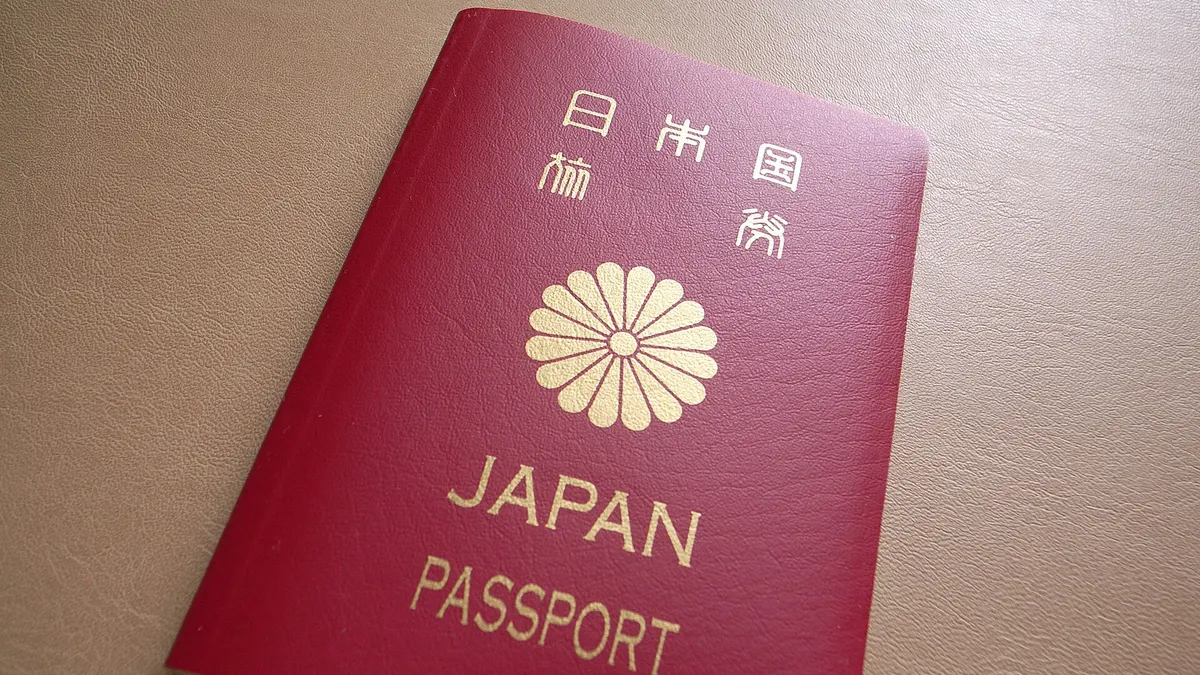

As of October 2026, permanent residency (永住) lets you keep your nationality and live and work in Japan without limits, but you stay under immigration control: you renew your residence card, need re-entry permits, and from April 2027 can lose PR for intentionally not paying taxes or social insurance. Naturalization (帰化) makes you Japanese, with the vote and no immigration control, but you must give up your current nationality. PR now costs ¥200,000; naturalization is free. Both expect about 10 years in Japan.
The main difference between permanent residency and naturalization in Japan is nationality. Permanent residency (永住, eijū) lets you keep your current passport and live and work without limits, but you stay under immigration law and the status can be canceled. Naturalization (帰化, kika) makes you a Japanese citizen with the right to vote, but you must give up your current nationality in principle. As of October 2026, PR costs ¥200,000 and naturalization is free, and both now expect about 10 years in Japan.
| Permanent residency (永住) | Naturalization (帰化) | |
|---|---|---|
| What you get | A status of residence (在留資格) with no limit on activities or period of stay | Japanese nationality |
| Your current nationality | You keep it | You must lose it, in principle |
| Handled by | Regional immigration office (ISA) | Legal Affairs Bureau, decided by the Minister of Justice |
| Legal basis | Immigration Act, Article 22 | Nationality Act, Articles 4 to 10 |
| Fee | ¥200,000 from October 1, 2026 | None |
| Standard processing | 4 to 6 months | None set; about 1 year reported by scriveners |
| Vote and stand for office | No | Yes, from age 18 |
| Residence card (在留カード) and re-entry permits | Still needed | No longer apply |
| Can be taken away | Yes, under the Immigration Act | Not under immigration law |
Sources: ISA, Ministry of Justice, e-Gov law texts, as of October 2026.
| Requirement | Permanent residency | Naturalization |
|---|---|---|
| Time in Japan | 10 years in principle, 5 of them on a work or residence status | 5 years in law; 10 years in principle since April 1, 2026 |
| Spouse of a Japanese national | 3 years married and 1 year in Japan (5 and 3 for applications from April 1, 2027) | 3 years in Japan, or 3 years married and 1 year in Japan (Nationality Act, Article 7) |
| Age | Not a stated condition | 18 or older |
| Conduct | Good conduct; no fines or prison sentences | Good conduct, judged on criminal record, taxes and conduct |
| Money | Independent livelihood; for applications since April 2026, household income above the Japanese average for your household size | Able to make a living from your or your household’s income |
| Taxes and insurance | Taxes, pension and health insurance paid on time | Tax checked over 5 years and social insurance over 2 years since April 2026 (Kyodo) |
| Japanese language | B1 level becomes a factor from April 2027 | Enough for daily life in speaking, reading and writing |
| Nationality | Keep it | Lose it, in principle |
The Minister of Justice said on March 27, 2026 that the stricter naturalization review is meant to match the PR review. The gap in residence time between the two has largely closed.
Only with PR. Under Article 5 of the Nationality Act (国籍法), you must be stateless or lose your current nationality when you naturalize. The Minister can waive this only if your country won’t let you give it up and you have special ties to Japan.
Japan also works the other way. A Japanese national who voluntarily takes another nationality, for example by naturalizing abroad, automatically loses Japanese nationality (Article 11).
Voting. The Public Offices Election Act (公職選挙法) gives the vote in national and local elections only to Japanese nationals aged 18 and over. The right to stand for office is also limited to Japanese nationals. PR holders have neither.
Travel. A permanent resident still leaves Japan on a re-entry permit. The special re-entry permit (みなし再入国) is valid for 1 year from departure. A full re-entry permit lasts up to 5 years and costs ¥4,000 (single) or ¥7,000 (multiple) at the counter. A naturalized citizen is no longer under residence control, so these permits no longer apply.
Paperwork. PR holders still renew their residence card and report address changes. ISA says naturalized people are no longer subject to residence control under the Immigration Act.
PR can. ISA’s Q&A lists the current grounds: fraud, not reporting a new address within 90 days of moving out, or giving a false address. PR holders can also be deported, for example after a prison sentence of over 1 year or a drug conviction.
From April 1, 2027, new grounds apply: breaking Immigration Act duties, intentionally not paying taxes or social insurance, and certain serious crimes with a prison sentence. ISA says it will usually switch the person to long-term resident (定住者) rather than remove them, and that illness or job loss is not meant to trigger this.
A naturalized citizen is outside these immigration rules. Japanese nationality can still be lost in the ways the Nationality Act sets out, such as voluntarily taking another nationality.
Nothing in the rules we read stops a permanent resident from applying to naturalize later.
For the full details of each route, read the permanent residency requirements and the Japanese naturalization process.
More guides: spouse visa in Japan, visa renewal in Japan.
The key question is your current nationality. PR keeps it, but leaves you under immigration rules that can cancel your status. Citizenship removes immigration control and gives you the vote, but Japan requires you to lose your other nationality in principle.
No. The Public Offices Election Act gives the right to vote in national and local elections to Japanese nationals aged 18 and over. Permanent residents can't vote or stand for office.
In principle, no. The Nationality Act requires you to be stateless or to lose your current nationality when you naturalize. A narrow exception exists if your country does not let you give it up.
ISA's standard period for PR is 4 to 6 months after you apply. The Ministry of Justice sets no period for naturalization; administrative scriveners report about 1 year. Both now expect about 10 years in Japan in principle.
Yes. PR can already be canceled for fraud or not reporting a new address within 90 days, and from April 1, 2027 also for intentionally not paying taxes or social insurance. A naturalized citizen is no longer under these immigration rules.
Spotted something out of date or wrong? Email hello@japanhow.com and we will check it against the source. See our corrections policy.
Photo: Toshiyuki IMAI / CC BY-SA 2.0
Permanent residency
Japan permanent residency requirements: usually 10 years of stay, clean tax and pension records, and a ¥200,000 fee from October 2026. Plus 2027 changes.
Mortgages
A mortgage in Japan without permanent residency is hard: Flat 35 and most banks require PR. PRESTIA lends to foreign residents earning over ¥10 million.
Naturalization
The Japanese naturalization process runs through your Legal Affairs Bureau. Since April 2026 it expects 10 years in Japan in principle. Steps, documents, time.