Renting
Guarantor companies in Japan (保証会社) for foreign tenants, compared
A guarantor company in Japan stands in for a personal guarantor on your lease. Fees, emergency contact rules and languages at GTN, Casa, Nihon Safety and JID.
How to find foreigner-friendly real estate in Japan: JPM's list of about 441 multilingual agencies, UR housing with no guarantor, portals and share houses.
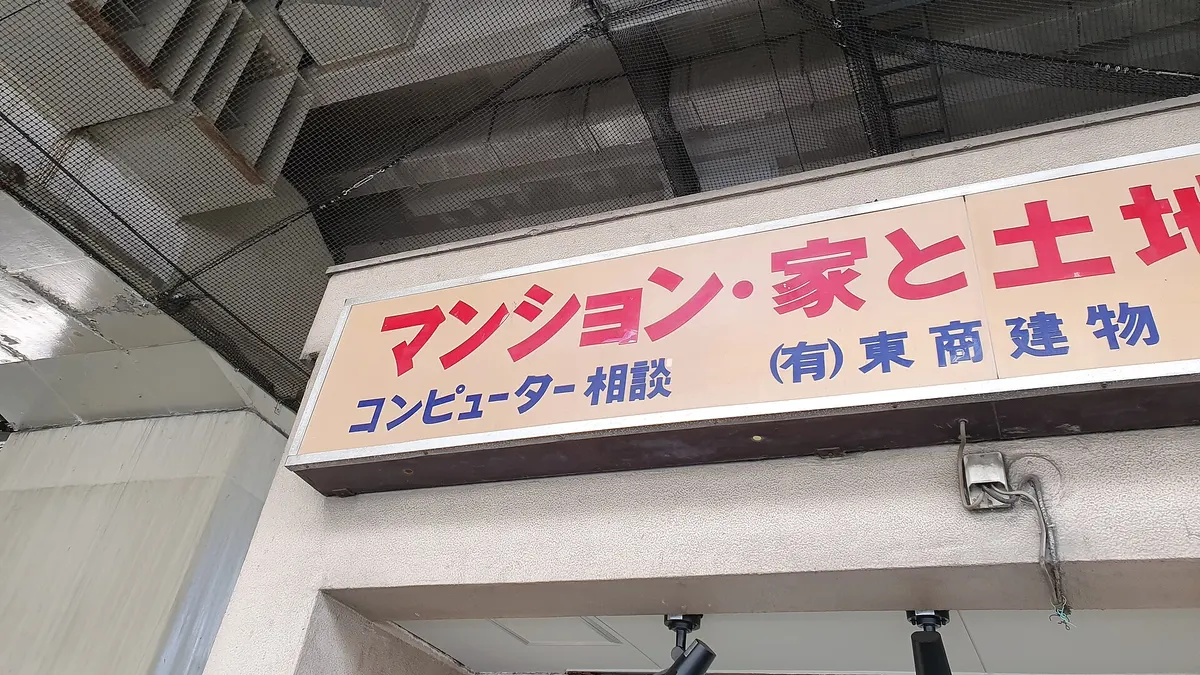

To find a foreigner-friendly real estate agent in Japan, start with the Japan Property Management Association's list of agencies offering foreign-language services: about 441, sorted by prefecture with each one's languages, as of October 2026. Look for its language stickers at agency offices. UR public rental housing needs no guarantor, key money, agent fee or renewal fee, but has an income standard. Foreigner-focused portals and share-house operators are other routes; check who runs each one.
The most reliable way to find foreigner-friendly real estate in Japan is the Japan Property Management Association’s (JPM) list of agencies offering foreign-language services. As of October 2026 it lists about 441 agencies, sorted by prefecture, with the languages each one offers. If you’d rather skip agents and guarantors, UR public rental housing charges no key money (礼金), agent fee or renewal fee and needs no guarantor. Foreigner-focused portals and share houses are other options.
The Japan Property Management Association (日本賃貸住宅管理協会, JPM) is the rental management industry body. It works with MLIT on guidance for foreign tenants. Its List of Real Estate Agencies Offering Foreign-Language Services has English, Chinese, Korean and Vietnamese versions. It is organized by 11 regions, then by prefecture.
The prefecture counts add up to about 441 agencies. Tokyo has the most (72), followed by Saitama (23), Aichi (23) and Osaka (22). Some prefectures have only one. Each entry lists the languages offered: some about ten, some only English.
JPM says agencies display Foreign-Language Service Stickers at their offices, showing which languages their staff speak. If you’re walking around the neighbourhood you want, look for them in the window.
MLIT’s Apartment Search Guidebook suggests:
MLIT’s guidebook points to its Safety Net Housing (セーフティネット住宅) website, where you can search for rental housing that accepts foreign tenants. It is in Japanese only.
If your Japanese is limited, MLIT suggests bringing a Japanese speaker to the agent.
Yes. UR rental housing (UR賃貸住宅) is run by the public Urban Renaissance Agency. Its English pamphlet (information as of September 2022) lists four advantages:
| UR rental housing | |
|---|---|
| Key money (礼金) | None |
| Agent fee (仲介手数料) | None |
| Renewal fee (更新料) | None; contracts renew automatically, except fixed-term ones |
| Guarantor | Not needed |
| Paid at move-in | Deposit of 2 months’ rent, plus prorated rent and common fee for the first month |
You must be a Japanese national or a foreign national with the qualifications UR requires, and meet an income standard. For an individual applicant:
| Monthly rent | Monthly income you need |
|---|---|
| Under ¥62,500 | 4 times the rent |
| ¥62,500 to under ¥200,000 | ¥250,000 |
| ¥200,000 or more | ¥400,000 |
For household applications the thresholds are 4 times the rent below ¥82,500, ¥330,000 from ¥82,500 to under ¥200,000, and ¥400,000 above that. If you don’t meet the income standard, UR offers an advance rent payment system or a savings standard instead. Ask at a UR shop for the details.
Two practical points for foreign applicants:
Several websites list apartments open to foreign tenants, in English. We name them so you know what they are. This is not an endorsement or ranking.
Portals show listings from agencies. You still sign with an agent, a landlord and usually a guarantor company. The same checks apply.
A share house is a building where you rent your own room, or a shared one, and share the kitchen and other spaces. Some operators rent to you directly, so you deal with one company instead of an agent, a landlord and a guarantor.
For example, Oakhouse, a share-house operator since 1992 with houses in Tokyo, Osaka, Kyoto, Fukuoka and other cities, advertises no key money or guarantor needed and online booking. Its site is in English, Chinese, French and Korean, and you can filter for “Foreign Residents Allowed”. Some of its listings advertise no deposit and short-term stays.
| Share house (Oakhouse example) | Regular lease | |
|---|---|---|
| Who you deal with | The operator | Agent, landlord, guarantor company |
| Key money and guarantor | Advertised as not needed | Key money often in Kanto; personal guarantor or guarantor company needed |
| Move-in costs | Set by the operator | About 4 to 7 months’ rent (MLIT) |
| Kitchen and common areas | Shared | Your own |
Read the share-house contract as carefully as a lease: contract type, notice period, fees and house rules.
Use the Japan Property Management Association's (JPM) list of agencies offering foreign-language services. It is sorted by region and prefecture and lists the languages each agency offers. Agencies also show stickers at their offices for the languages their staff speak.
Yes, if you meet UR's conditions for foreign nationals and its income standard, which can be replaced by paying rent in advance or by a savings standard. UR charges no key money, agent fee or renewal fee and needs no guarantor. The deposit is 2 months' rent.
A building where you rent a private or shared room and share the kitchen and other spaces. Some operators rent to you directly: Oakhouse, for example, advertises no key money or guarantor needed and lets you filter for houses that accept foreign residents.
Yes. Best-Estate.jp, run by the guarantor company GTN, showed 279,401 listings in seven languages on October 20, 2026. Real Estate Japan and GaijinPot Apartments are other English portals, though we couldn't open their sites to check them.
Spotted something out of date or wrong? Email hello@japanhow.com and we will check it against the source. See our corrections policy.
Renting
A guarantor company in Japan stands in for a personal guarantor on your lease. Fees, emergency contact rules and languages at GTN, Casa, Nihon Safety and JID.
Renting
Renting an apartment in Japan as a foreigner: the steps from search to keys, the documents for screening, and up-front costs of about 4 to 7 months' rent.
Driving schools
Driving school in Japan in English: verified courses cost ¥367,280 to ¥572,000 for an AT license in Tokyo and Saitama. Camps from ¥231,000, mostly in Japanese.